1/5 🌟 Embracing change isn’t easy, and feeling shocked is absolutely normal
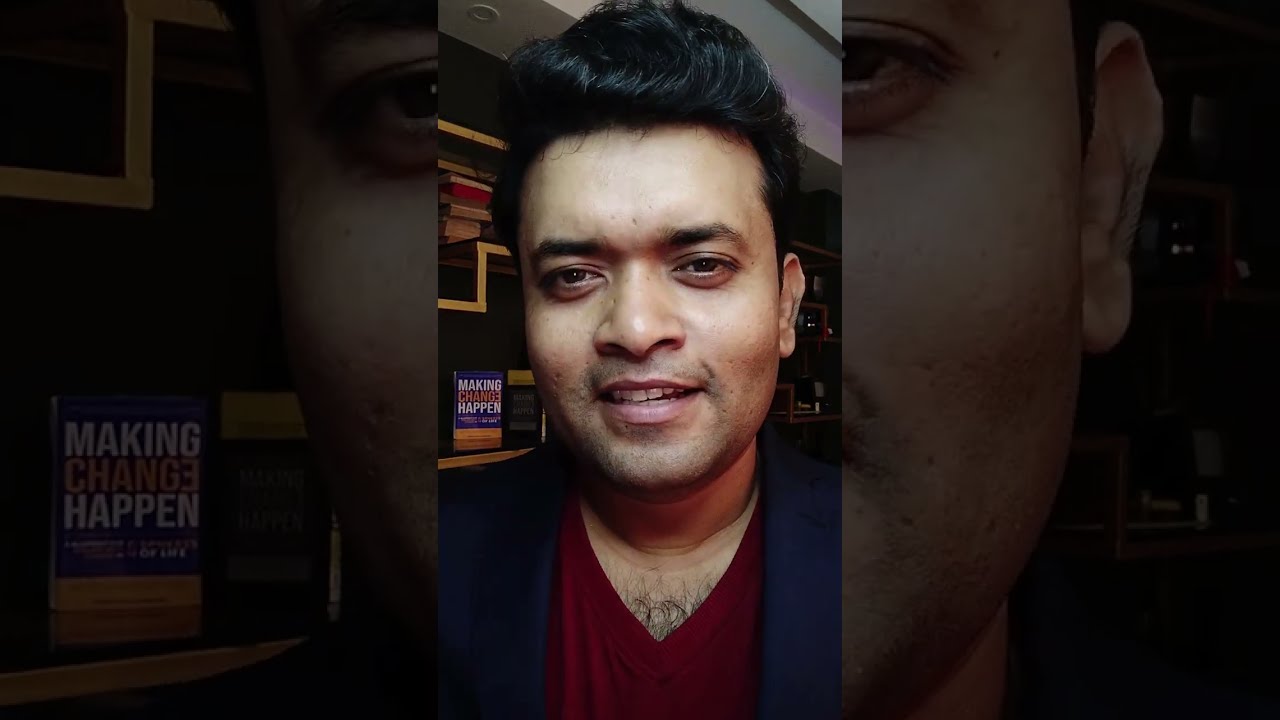
Something lands — a diagnosis, a layoff, a breakup, a number on a screen that wasn’t supposed to be there — and for a moment the world goes quiet. You hear the words but they don’t connect. That blank, frozen, this-can’t-be-happening feeling has a name, a place, and a purpose. It’s the first stop on the curve every one of us travels when change arrives uninvited. And the most useful thing I can tell you is this: it’s normal.
This is Part 1 of a 5-part series walking through the emotional stages of navigating change — Shock, Denial, Anger, Bargaining, and Acceptance. The map traces back to Elisabeth Kübler-Ross, the psychiatrist who in On Death and Dying (1969) described five stages — denial, anger, bargaining, depression, and acceptance. Her framework was later adapted by organisational practitioners into what we now call the change curve, which often opens with an initial shock phase. That’s where this series begins. In the video above, we sit with that very first stage: shock.
Why shock isn’t weakness
We tend to judge ourselves for freezing. We think the strong response is to leap into action, to have a plan by lunchtime, to “stay positive.” But shock is not a character flaw — it’s your nervous system buying you time. When reality changes faster than your mind can update its model of the world, the gap is the shock. You’re not broken. You’re recalibrating.
Change is inevitable. Suffering is optional. But the shock in between? That’s just being human.
In Making Change Happen I make the case that the hard part of any change is never the information — it’s the execution, and execution starts with honestly naming where you are. You cannot act on a change you’re still pretending isn’t real. So the first act of agency isn’t doing something. It’s admitting: the ground just moved.
Shock shows up in all eight spheres
One of the spines of the book is that change doesn’t stay in its lane. It arrives in one of eight spheres — business, finances, relationships, the physical, the mental, the spiritual, family, and lifestyle — and the shock looks different in each. The founder who loses their biggest client. The body that gets a chronic-illness label. The relationship that ends on a Tuesday for no reason you were given. The family role that quietly inverts as a parent ages.
Different spheres, same physiology. The frozen pause, the “wait, what,” the strange flatness. Recognising shock for what it is — a stage, not a destination — is what lets you eventually move through it instead of getting stuck pretending it isn’t there.
The effort that buys you effortless
Here’s where I’d gently push you. One of my favourite lines from the book is: what’s effortless to do is just as effortless to neglect. In the shock stage, the effortless move is to numb out — scroll, distract, “deal with it later.” It costs nothing today and everything tomorrow.
The harder, better move is small and deliberate. Growth lives just outside the comfort zone, and the discomfort of facing the change is the entry fee. You don’t have to solve anything in the shock stage. You just have to stay present to it. That tiny act of staying — refusing to look away — is the first micro-action of a hundred that eventually compound into actually making change happen on purpose.
Something to do this week
- Name it out loud. Say the actual sentence: “X has changed, and I’m in shock.” Naming collapses the fog into something you can hold.
- Lower the bar to one honest move. Not a five-year plan — one phone call, one walk, one written paragraph about what’s true right now.
- Tell one person. Shock shrinks when it’s witnessed. Support isn’t a luxury here; it’s part of the process.
- Give it a deadline, gently. Shock is a stage, not an address. Notice it, honour it, and trust that the next stage is coming.
If this resonated, this is just the first stop. The rest of the series — Denial, Anger, Bargaining, and Acceptance — is waiting on the Watch page, and each one builds on this one. If you want the tools and trackers I use to actually move through these stages, the free resources live at /gbr/, and the full blueprint across all eight spheres is in the book.
You don’t have to be okay yet. You just have to be honest that something has changed. That’s the whole job of stage one — and you’re already doing it.