Are you a perfectionist? It's time to embrace imperfection!
I have killed more good ideas with patience than I ever did with bad decisions. Not on purpose — I told myself I was refining, getting it right, waiting for the timing to line up. But the honest word for it was hiding. Perfectionism is procrastination wearing a nice suit.
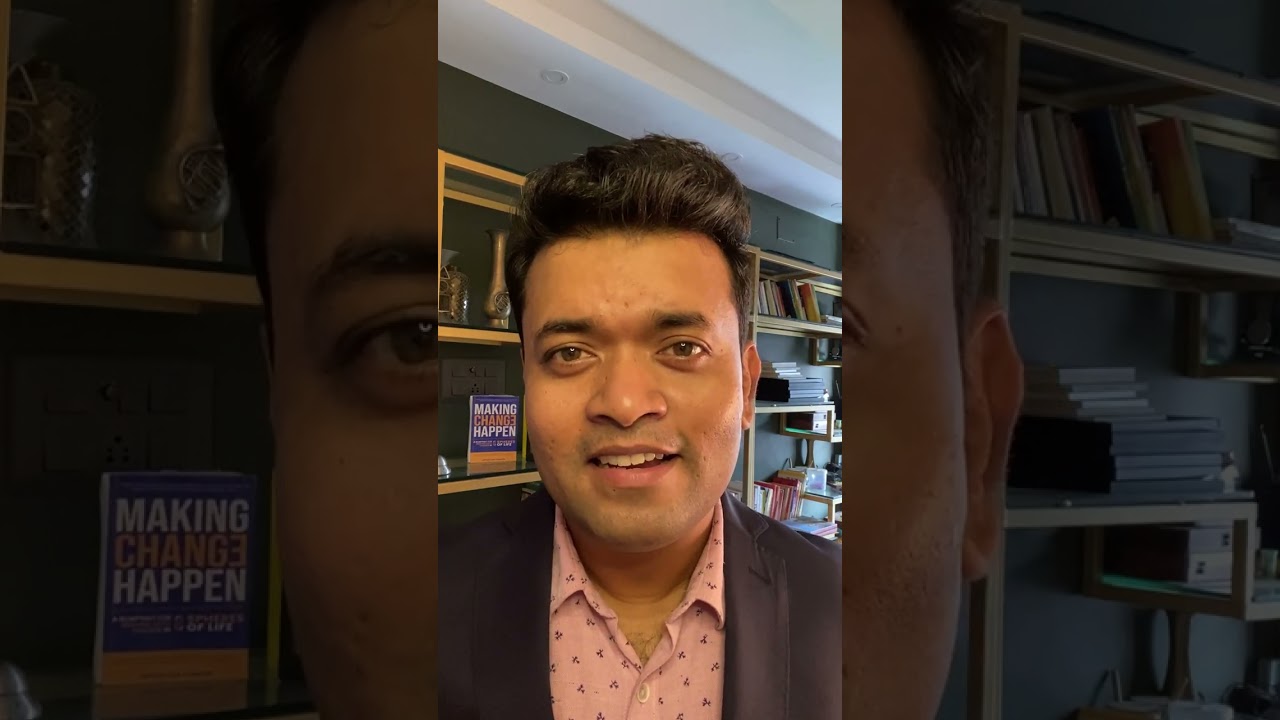
If you watch the video above, you’ll hear me make the case for shipping before you feel ready. Here I want to go a layer deeper — into why perfectionism feels so virtuous, what it actually costs you, and what to do about it this week.
The perfect moment is a story you tell yourself
We live in a 5G-connected world. The distance between an idea and the rest of the planet is now measured in seconds. That should be liberating. Instead, for a certain kind of person — the conscientious, capable, slightly anxious kind — it becomes paralysing. Because if the whole world can see your work instantly, then it had better be flawless first, right?
That instinct is a trap. The market does not reward the polished thing that arrives late. It rewards the useful thing that arrives, gets feedback, and gets better in public. Every week you spend buffing a thing nobody has touched is a week of learning you’ve thrown away. You’re not de-risking. You’re just deferring the only test that matters.
Waiting for the perfect moment isn’t caution. It’s a slow, comfortable way of saying no.
Effortless to neglect
In the book I keep returning to a line that runs underneath everything: what’s effortless to do is just as effortless to neglect. Perfectionism flips that on its head and weaponises it. Polishing the deck for the fourth time is effortless — it’s safe, it’s inside your control, nobody can judge it yet. Pressing publish is hard, because the moment you do, reality gets a vote.
So we drift toward the effortless task and call it work. The Delta-4 lens I use cuts straight through this: a change only counts if it moves you a meaningful distance from where you were. A fifth round of edits is a Delta-0.5 — it feels like motion and changes almost nothing. Putting the imperfect version in front of one real user is a Delta-4. The discomfort is the signal that you’ve finally crossed out of the comfort zone, which is the only place growth has ever lived.
This isn’t just a startup problem
Perfectionism doesn’t stay politely in your business. It leaks into all eight spheres I write about. It’s the workout you won’t start until you’ve bought the right shoes (physical). The hard conversation you keep rehearsing instead of having (relationships). The budget you’ll set up “properly, next month” (finances). The version of yourself you’re waiting to become before you’re allowed to rest (mental). In each case the pattern is identical: a high standard, used not as a target but as a permission slip you never grant yourself.
Naming it that way matters. On the outside it looks like high standards and diligence. On the inside it’s fear — of being seen as average, of being judged, of finding out the work isn’t as good as you hoped. You don’t fix fear by polishing. You fix it by acting while afraid, and discovering you survive.
What to do before this week ends
Embracing imperfection is not lowering your standards. It’s relocating them — from before you ship to after. Get something real in front of reality, then let your high standards drive the iteration.
Try this:
- Pick the one thing you’ve been “getting ready” for too long. You already know what it is. The discomfort in your chest as you read this is the bookmark.
- Define “good enough to learn,” not “good enough to be proud of.” What’s the smallest version that lets one real person react?
- Set a ship date, not a finish date. Tell someone. Commitment beats interest precisely on the days motivation doesn’t show up.
- After it’s out, schedule the iteration. Imperfect-then-improved beats perfect-then-never, every single time.
The version of the book you’re reading exists because I stopped waiting to be the polished author I imagined and started writing as the unfinished one I actually am. It carries the parts of my story I’m not proud of for exactly that reason — change never comes from the perfect version of anyone. If you want the trackers and templates I use to turn this into a habit rather than a one-off burst of courage, they’re free over at /gbr/, and the full argument lives in the book.
Your idea doesn’t need to be perfect. It needs to be out. Done and improving will always beat perfect and waiting.